
Temporomandibular Joint

Temporomandibular joint (TMJ) disorders involve conditions that affect the jaw joint and the muscles surrounding it, often causing pain, stiffness, and difficulty moving the jaw. These disorders can also be accompanied by symptoms like neck pain, headaches, and facial discomfort.
Neck pain and headaches are very common in those with TMJ disorders due to the close connection between the muscles and joints of the jaw and neck, and the pain can occur in different areas.
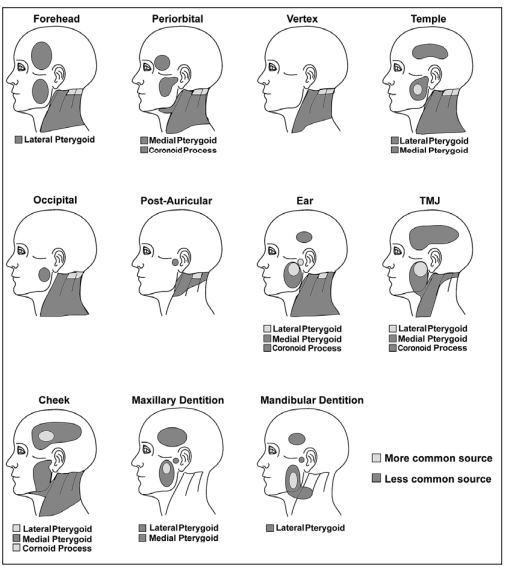
Causes of TMJ disorders include:
- Direct trauma,
- Indirect trauma, such as whiplash, excessive chewing, teeth grinding (bruxism), jaw clenching, or loss of dental height from worn or missing teeth,
- Muscle spasms,
- Cervical postural issues,
- Arthritis,
- Hypermobility.
Physiotherapy is highly effective in managing and alleviating TMJ disorders, even when symptoms are persistent and severe. With proper physiotherapy, most patients experience significant improvement within 3 to 6 weeks.